What Three Words? Reflections on Party Conferences
It’s been a few weeks since parliament returned from the party conference recess, and now that I’ve had time to get on top of my inbox and to do list mull over what I saw and heard, I wanted to share a few reflections on how the parties are thinking about the built environment, and what it means for CIAT.
This year, for the first time, CIAT was represented at the conferences of the three parties with the most seats in the UK parliament – Labour, the Conservatives and the Liberal Democrats. And pleasingly, I think I can sum up my key takeaway from each of their conferences in a single word.
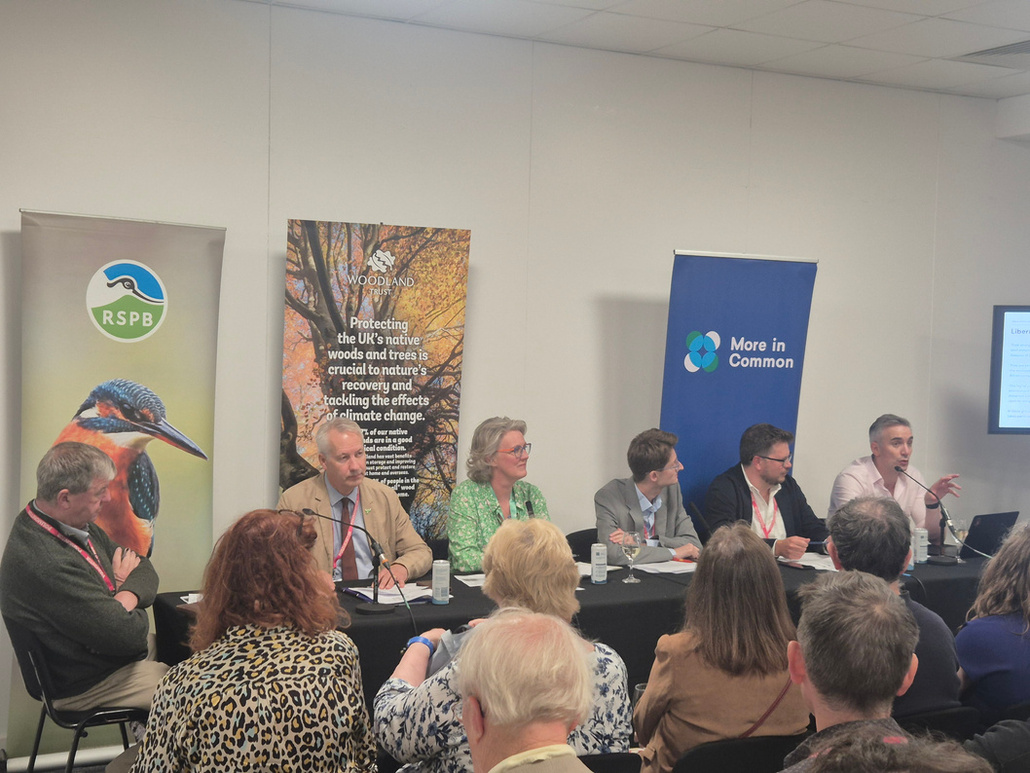
Liberal Democrats – Quality
Lib Dem conference is widely regarded as a friendly affair and their seaside setting – this year, a late-summer Brighton – certainly helps. But below the friendly exterior, there is a long-standing tension within the party.
On one side of the party there is the social liberal tradition, typically the preserve of urban and younger party members. This places an emphasis on delivering more housing, to tackle the housing crisis and provide a stable foundation for individual lives. The other strand in the party, common in the shires and among older members, tends to the more defensive, seeking to protect existing communities from inappropriate development, especially where this would put a strain on local services and amenity.
Quality offers a common ground for these two schools of thought, acceptable to communities from Oxford to Orkney. Those who want more homes still want them to be well designed, sustainable, and aligned to local needs. And those who are concerned about the impact of new homes or offices will find developments that support placemaking and are accompanied by additional public services easier to accept.
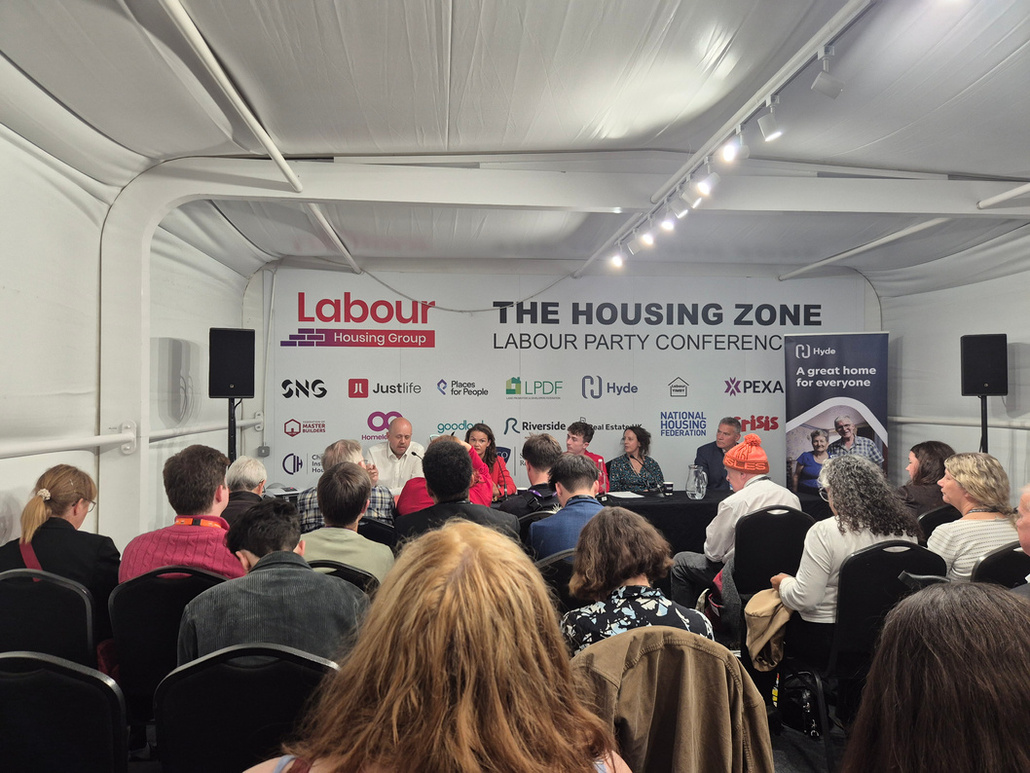
Labour – Council (housing)
Labour conference took me up to Liverpool, where the focus was squarely on council housing. Ok, that’s two words, but they are in Government, so we’ll allow it.
After two years of trying and failing to expand market delivery by pulling the lever marked “planning reform”, the Labour Party has all but confirmed it won’t achieve its manifesto target of 1.5 million more homes in England. Nonetheless the party remains committed to scaling up housing delivery.
The solution that Andy Burham and the substantial Labour housing policy ecosystem have settled on, is a return to large-scale, local government-led housing development. The view across Labour is that council-led delivery can increase output while delivering exactly what is needed locally (be that supported housing, starter homes, family homes near shops and schools or anything else). And it’s certainly true that the only times the UK has delivered the numbers of homes we now need, large-scale local government delivery has been a key part of the housing mix.
There are other potential benefits to this approach, beyond sheer numbers. More consistent demand for housing could help mitigate the cyclical pressures on the sector, particularly for SME designers and developers who are embedded in local communities, and who are most exposed to downturns and delays. Strengthened local government housing teams could work with the private sector to deliver mid-budget homes, with profits cross-subsidising social delivery. And, if accompanied by reforms to developer contributions, (replacing costly, slow section 106 negotiations with a predictable levy), for-profit developers, they could be empowered to deliver more of those types of homes where they have a genuine competitive advantage, further boosting supply.
It should also be noted that this was one of several structural shifts which were proposed in the Burnham administration’s first conference. There was, as expected, much talk of further devolution, particularly to strengthen local mayors, though disappointingly, there was little information on how devolution would be extended outside England. Burnham also put the UK’s relationship with the EU on the agenda, identifying Brexit as a key factor in the UK’s economic malaise. A reappraisal of this relationship could help reduce build costs or meet short-term skills shortages, so while any major changes will take a long time to come to fruition, CIAT will be playing close attention to these discussions.
Conservatives - Deregulation
The Tory party conference might have been geographically mid-way between Labour and the Lib Dems, but discussions in Birmingham were certainly not taking a middle ground when it comes to the built environment. Instead, Kemi Badenoch has taken the party back to its small state, low tax orthodoxy, with deregulation very much front and centre. Similar themes arose from Reform’s conference as well.
Many of you may read that and want to run a mile. Our sector is still seeking to rebuild trust after a string of failures, so any discussion of deregulation is a big red flag. Proportionate regulation is essential to protect the public, so CIAT would not support changes which weaken basic safety standards for residents or for wider society. Building Regulations must provide a genuine guarantee that homes and buildings are safe for occupants, and wider regulations must address systemic risks such as climate change, flood risk and biodiversity loss.
However, it is also important to recognise that policies which appear sensible in isolation can have unintended consequences or become disproportionate when layered on top of one another. Regulations to limit overheating can constrain design choices and limit access to natural light. Planning regulations intended to protect local character can make it slow and expensive to deliver climate mitigation and adaptation measures on existing homes. And building safety levy costs applied to developers are likely to be passed in the form of higher prices, undermining viability at a time of already inflated build costs. Each one of these policies is well intentioned, but together, they contributing to system in which it is increasingly hard to deliver even high-quality and safe homes.
Conditions for success
As I reflect on my time at the conferences, one clear through-line, for all the parties, is that the systems we have in place now are not creating the conditions for success. Too few homes are being built. Too often, what is delivered doesn’t meet the hopes and expectations of communities. And profit margins are too tight to support viability in many cases.
In short – as everyone working in the sector can see – the housing market is failing.
Each of the parties has their own diagnosis of the causes of that failure. Each is offering their own solutions. But to unblock development, the sector needs more than one-word answers. We need a properly resourced and effective planning and regulatory system, which offers the public genuine protections, without causing development gridlock. We need a competitive market, which encourages quality and innovation alongside quality and speed. And we need to bear down on the high costs which are making too many projects unviable.
A last word
CIAT recognises that these problems can’t be solved by politicians alone. They need expert input from people with first-hand experience of what works well, and what really doesn’t.
Over the coming months, CIAT will be focusing more on the planning and regulatory barriers which are contributing to the current problems, and importantly, on what government and policymakers can do to get things moving again. We’ll be looking to draw on the expertise of members and affiliates, so that we can advocate for a system that better supports you. We’ll be saying more about this plan in due course, but if you’d like to discuss this work, feel free to get in touch by emailing [email protected].